
For retail partners
Wellness-forward is where the juice set goes in 2027
Plain juice is losing ground while drinks that say what they do keep growing. Here is the data, and here is the set we would build with you.
SPINS, reported by Nutraceuticals World, 2026
SPINS, reported by Nutraceuticals World, 2026
NielsenIQ, via Beverage Industry, 2026
What is happening
The juice set is not shrinking. It is sorting.
Traditional juice is under pressure from price and from shoppers trimming non-essentials. At the same time, the drinks that tell you what they do keep growing. Both things are true, and they point to the same shelf decision.
Plain juice is working harder for less
NielsenIQ reports the juice category losing traction, with incremental sales and promotional support down 3.2% on fewer in-store feature and display events. Inflation has driven price-led growth while softening real demand.
NielsenIQ, via Beverage Industry, 2026
Function is where the growth sits
SPINS puts the total CPG beverage market near $250 billion growing around 2% a year, with beverages carrying functional claims growing considerably faster than the category as a whole.
SPINS, reported by Nutraceuticals World, 2026
Clean label is outpacing the category
Non-GMO, free from artificial sweeteners, and free from artificial ingredients are all growing faster than juice overall, according to retail partners tracking the set.
Keychain, via Beverage Industry, 2026
Shoppers read the front of the bottle
SPINS notes that unlike supplement buyers, who hunt for specific branded ingredients, beverage shoppers respond to on-pack claims. What the label says is doing the selling.
SPINS, reported by Nutraceuticals World, 2026
Proof of concept
The category bet is already settled
This is not a forecast anyone has to take on faith. Two gut-health brands that barely existed a decade ago were valued near two billion dollars each, and the largest beverage companies in the world moved to buy or copy them.
PepsiCo agreed to acquire the prebiotic soda brand Poppi, a net $1.65 billion after anticipated tax benefits.
PepsiCo announcement via Beverage Digest and Just Drinks, March 2025
Olipop's valuation after a $50 million Series C, having passed $400 million in annual sales and reached profitability in early 2024.
NBC News and Just Drinks, February 2025
Coca-Cola launched its own prebiotic soda line rather than cede the gut-health shopper.
Just Drinks, February 2025
Those brands won a soda shelf with a gut-health claim and a short ingredient list. The same shopper is standing in front of the juice set, and the juice set has mostly answered with price promotions.
The wellness set
Four formats, one shopper
The shopper buying a gut-health soda on Tuesday is the one standing in the juice aisle on Saturday. Each format taught her something, and each has a cost that comes with it. A wellness set that works usually carries more than one.
Functional soda
Prebiotic sodas such as Olipop and Poppi taught the shelf that a claim on the front sells. Low cost of entry, high churn, and sweeteners that some shoppers screen out.
Proved the claimCold-pressed
Brands such as Suja and Evolution Fresh built the habit of drinking juice for a reason. They pay for it in cold space, short dates and shrink.
Built the habitWellness shots
Ginger and turmeric shots put the goal in the shopper's hand at the register. High ring per ounce, small basket, and a repeat rate that depends on the habit sticking.
Owns the momentShelf-stable glass
Where Lakewood sits. The claim on the label and the single-ingredient juices a wellness shopper asks for by name, with no cold space, long dates and a package that reads as quality.
Carries bothNone of this is an argument against the other three. It is an argument for a wellness set that has a shelf-stable anchor, because the shopper who starts with a prebiotic soda keeps buying for a reason, and the juice aisle is where she looks next.
Format shapes are generic illustrations. Brand names appear for reference only and are the property of their owners.
The competitive set
Where Lakewood sits on your shelf
Four kinds of brand compete for the wellness juice shopper. Each does something well. This is where they differ on the things a buyer has to weigh: margin, shrink, claim strength and who the item is for.
The read: the functional soda brands proved the claim sells. The cold-pressed brands own the claim but pay for it in cold space and shrink. Lakewood is the one set that carries the claim on a shelf-stable glass item, next to single-ingredient juices a wellness shopper already asks for by name.
Competitor attributes reflect typical items in each set and vary by SKU. R.W. Knudsen, for example, bottles some juices from whole fruit and others from concentrate. Verify current packaging and claims at shelf before presenting.
Where we fit
A wellness-forward set, already built
Lakewood has been making organic juice in glass since 1935. The difference now is that the shelf finally rewards it, and the Nurture line puts a claim on the front of the bottle where shoppers read it.

Functional, with the claim on the label
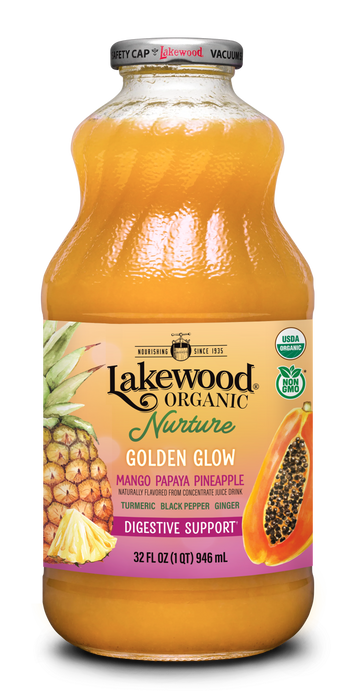
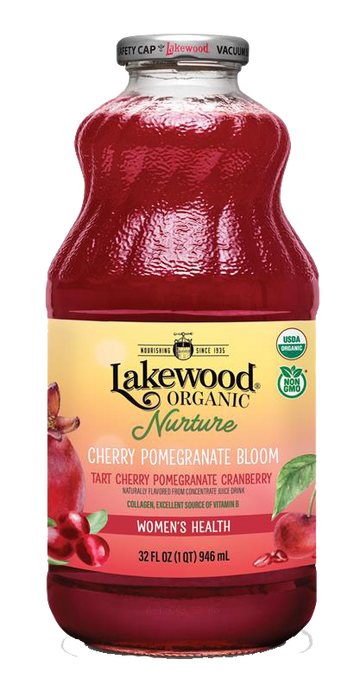
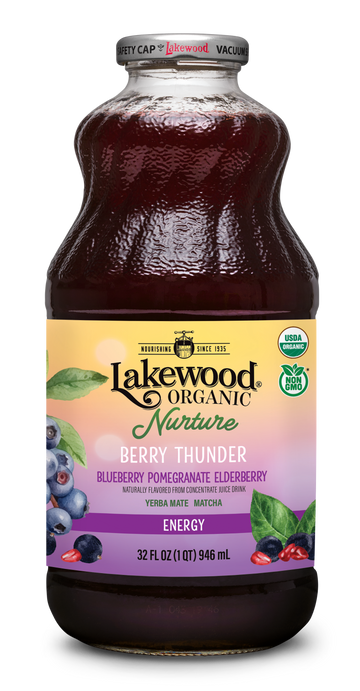
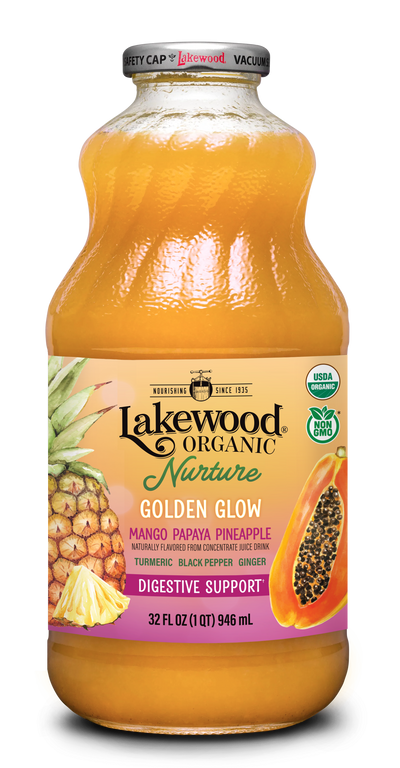
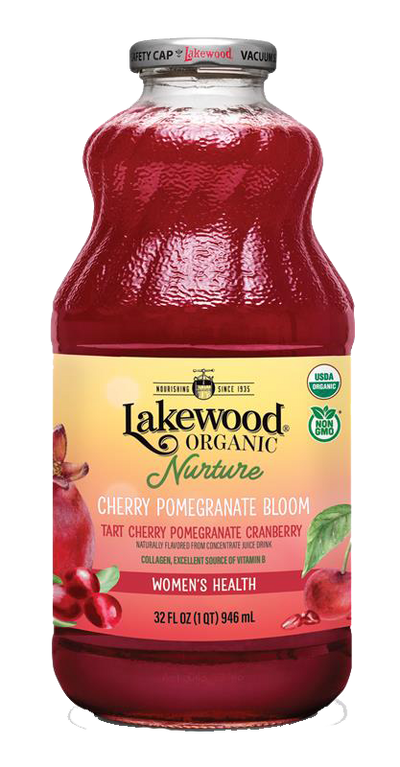
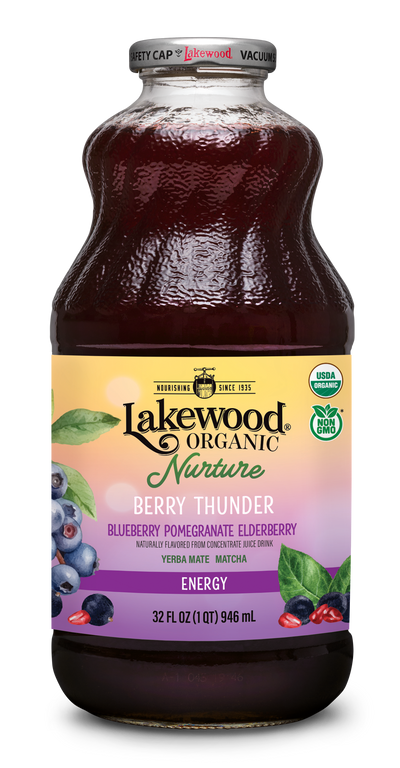
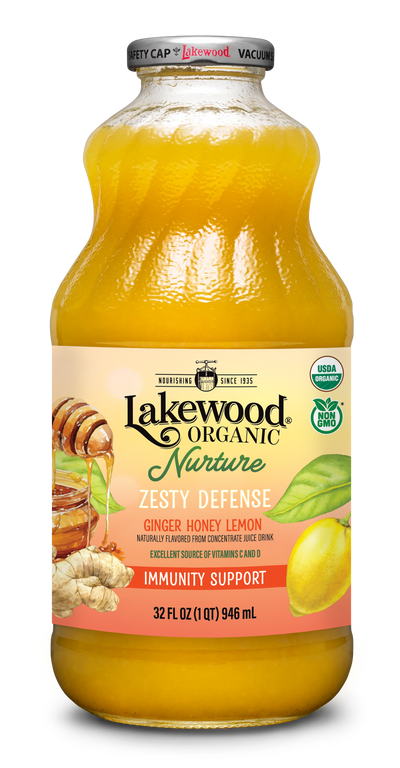
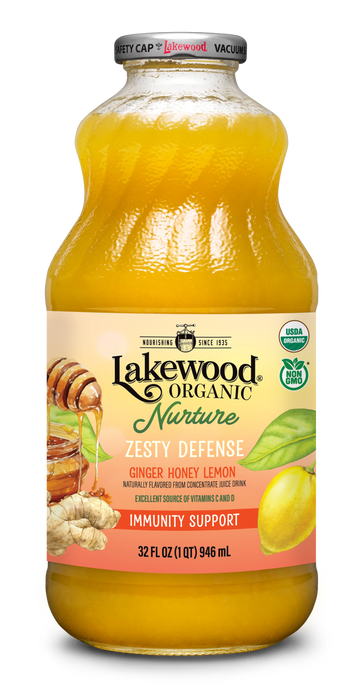
Four organic functional juices, each built for one goal: digestion, immune health, women's health and natural energy.
Nurture: Golden Glow, Zesty Defense, Cherry Pomegranate Bloom, Berry Thunder

Clean label, without reformulating
Certified organic under the USDA National Organic Program, non-GMO, no preservatives, and glass instead of plastic. No catching up required.
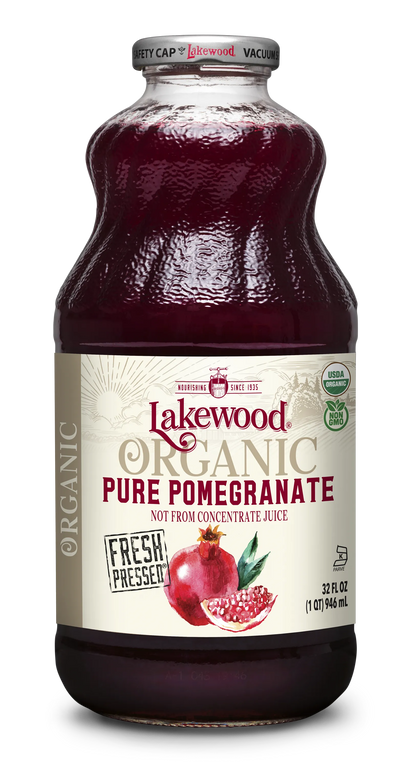
The full organic line

Single-ingredient juices for the wellness shopper
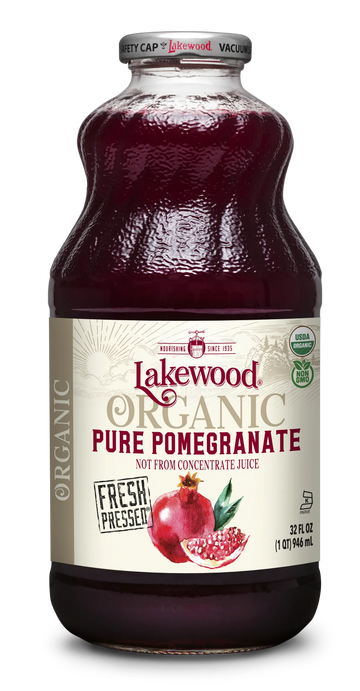
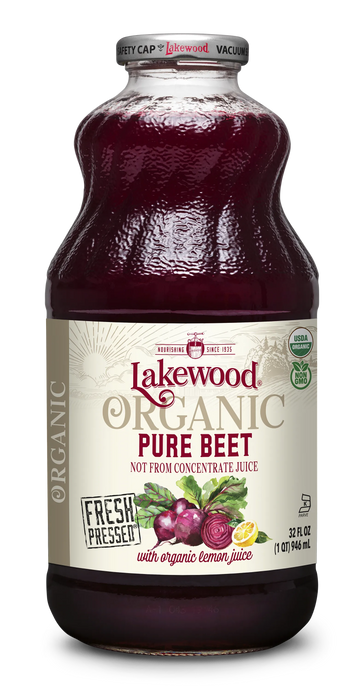
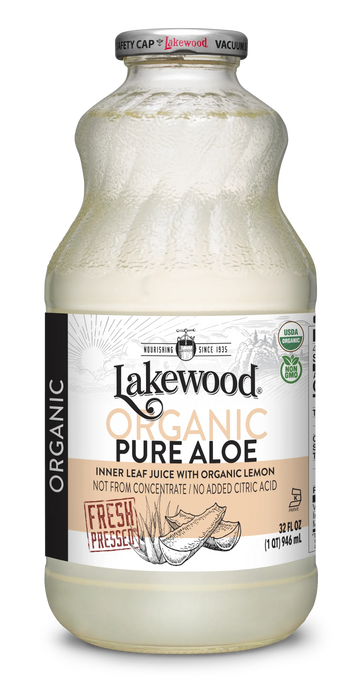
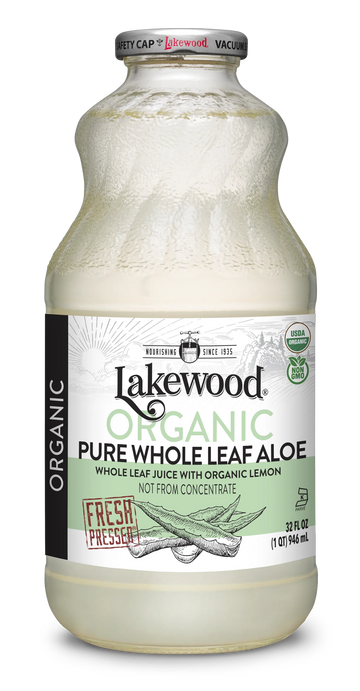
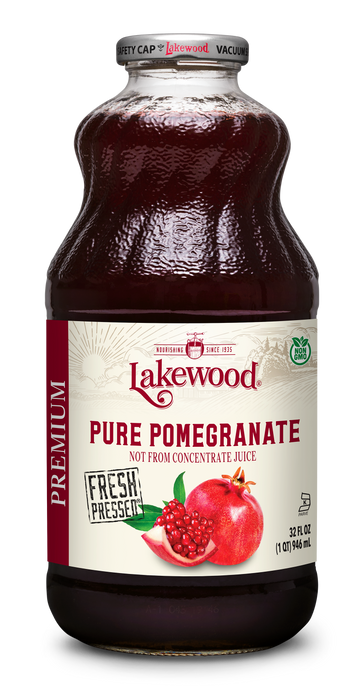
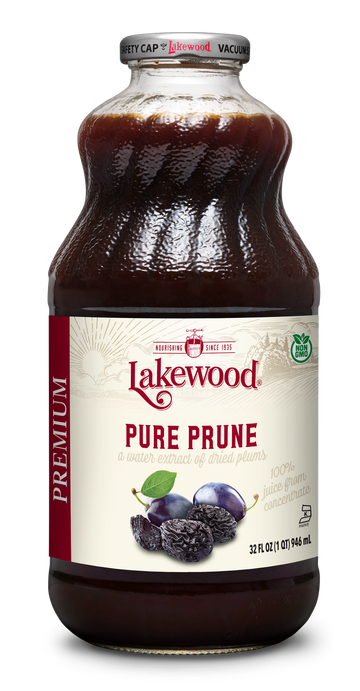
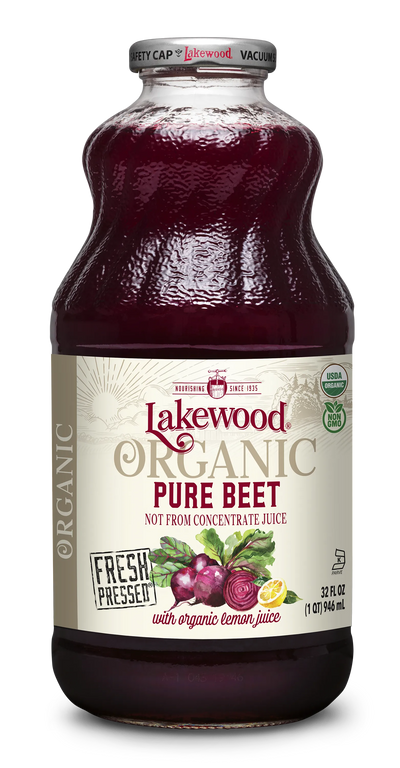
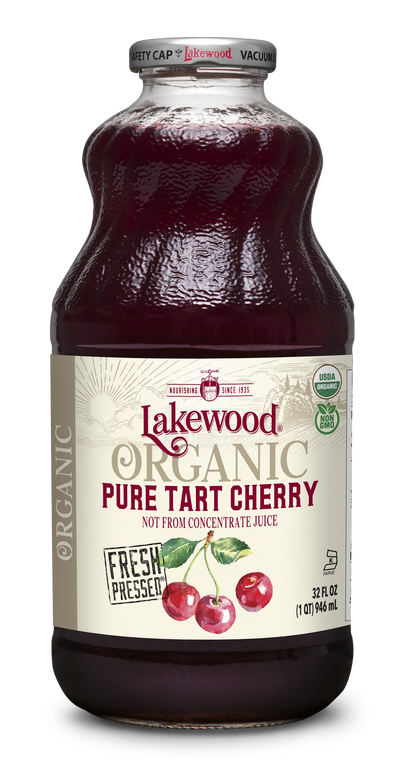
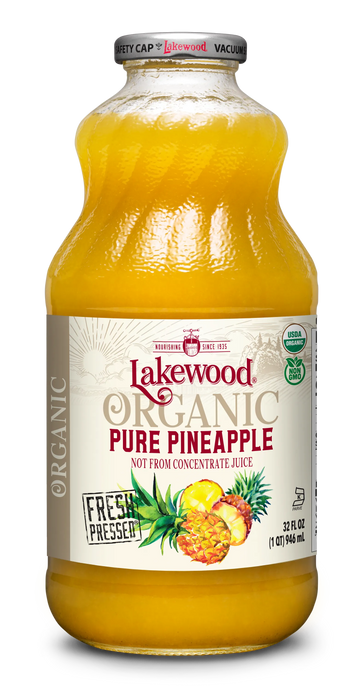
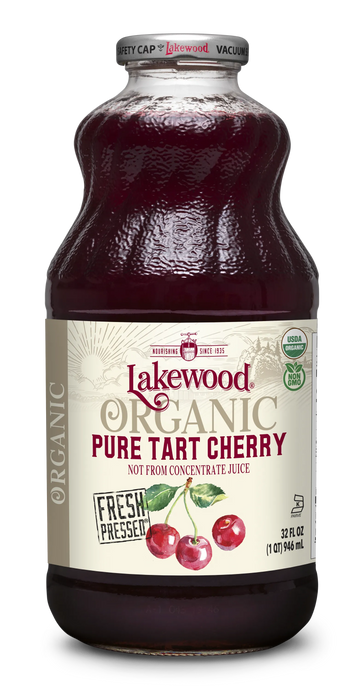
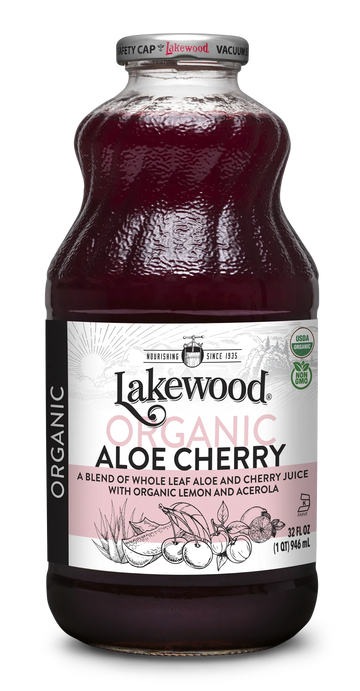
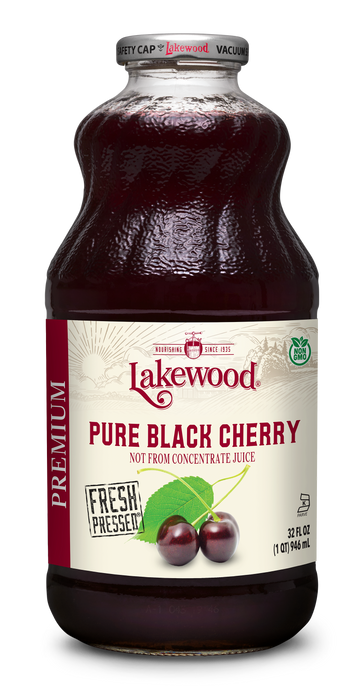
Beet, tart cherry, pomegranate, aloe and prune are the exact items shoppers come looking for by name when they are drinking with a goal in mind.
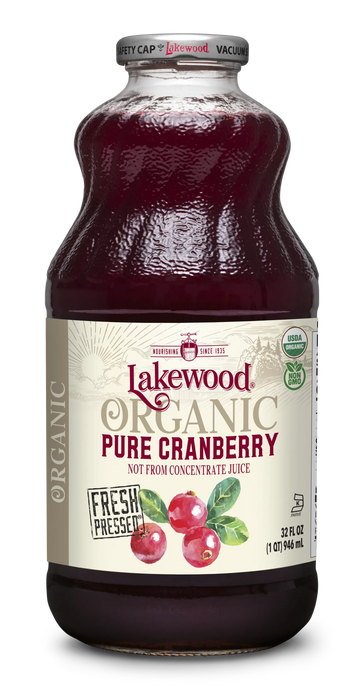
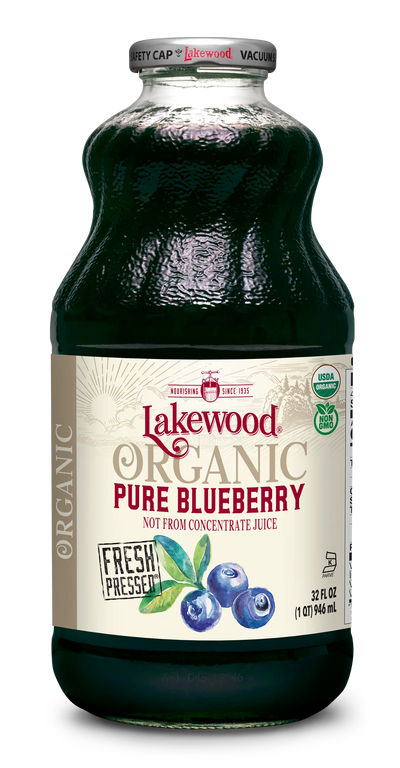
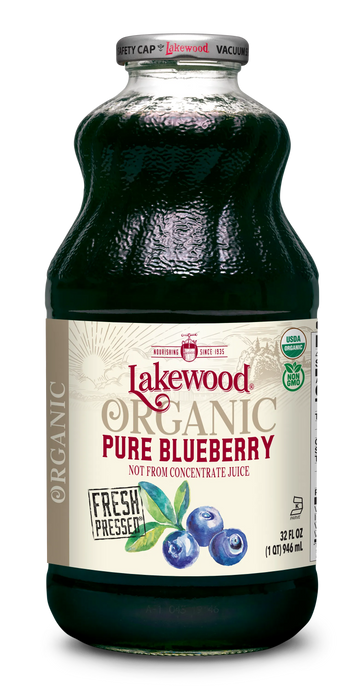
Pure: Beet, Tart Cherry, Pomegranate, Aloe, Prune, Blueberry

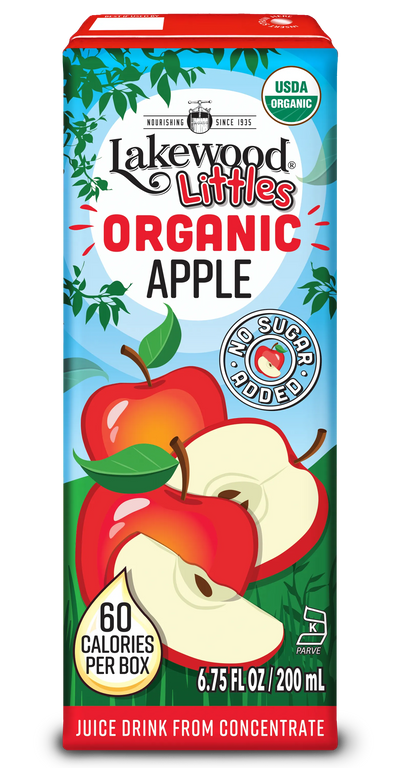
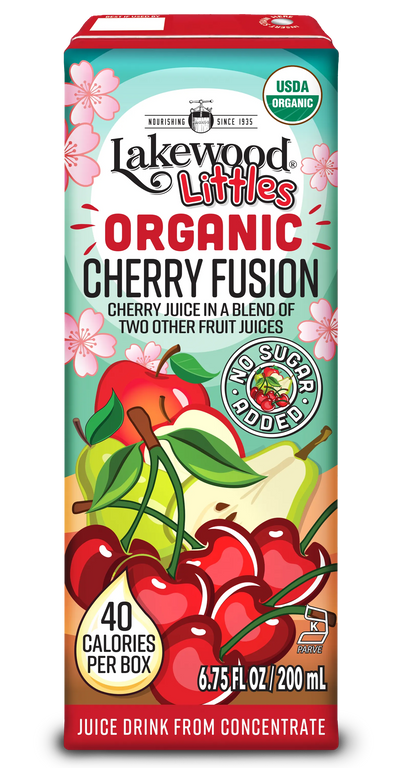
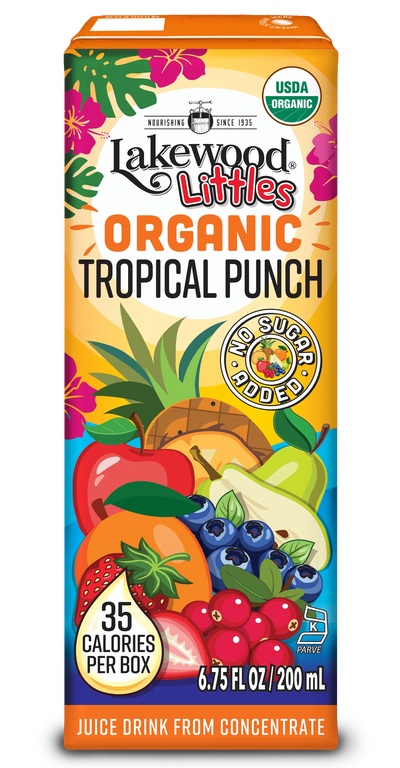
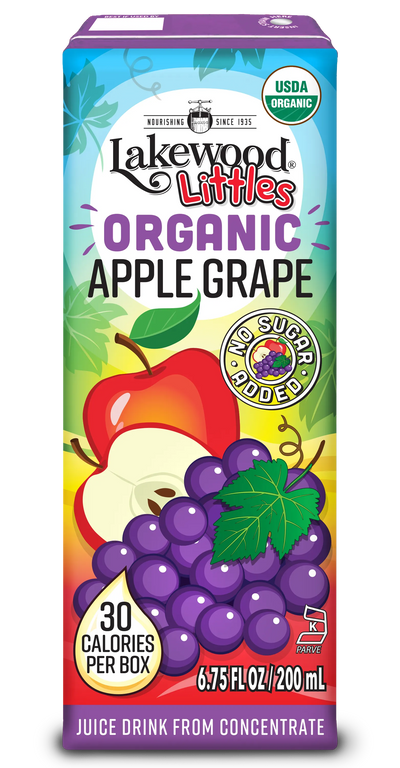
A kids' item parents will accept
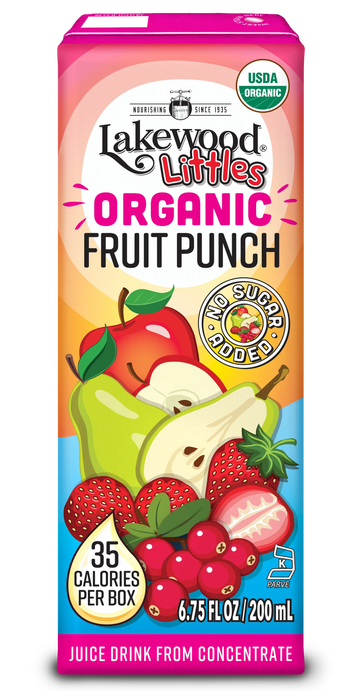
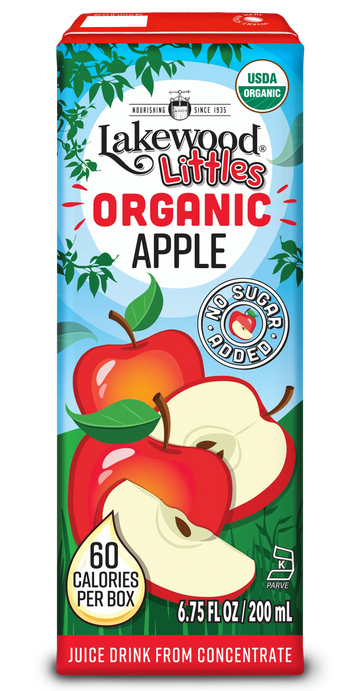
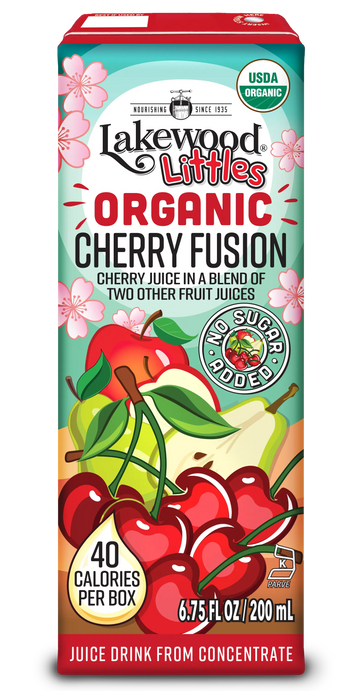
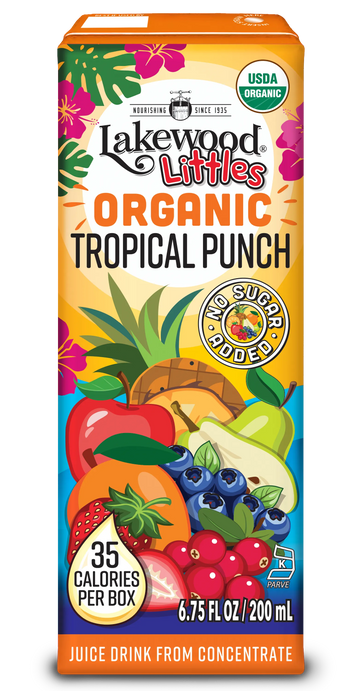
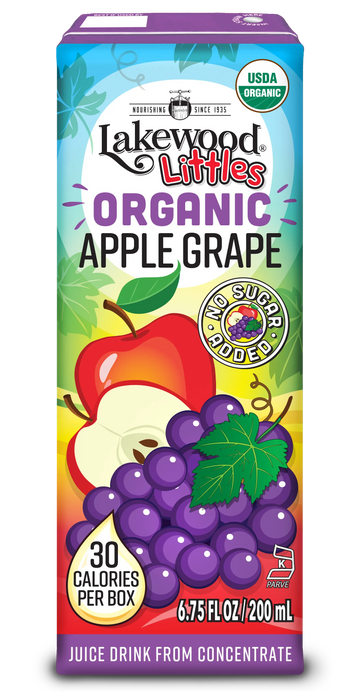
100% organic fruit juice with no added sugars or colors, free from the top nine allergens, in a box that fits a lunchbox.
Littles: five flavors, 8-packs
On the shelf
What makes a shopper reach for it
Glass on a plastic shelf
Every Lakewood juice is in glass. It stands out in the set, it holds flavor better, and it is free from BPA, BPS and DEHP.
Not from concentrate
Many of our juices are Fresh Pressed and not from concentrate, and we say so on the front of the label where shoppers read it.
Certified organic
Our organic juices are grown and handled under the USDA National Organic Program, with Premium carried as the conventional option alongside.
Ninety years of trust
An independent family juice company since 1935. For a lot of shoppers, the name on the label is one they grew up with.
The lineup
Five lines to build a set from
Single-fruit juices, vegetable juices, blends, functional juices, aloe and kids' boxes. Enough range to fill a section or to start with a few movers.
Organic
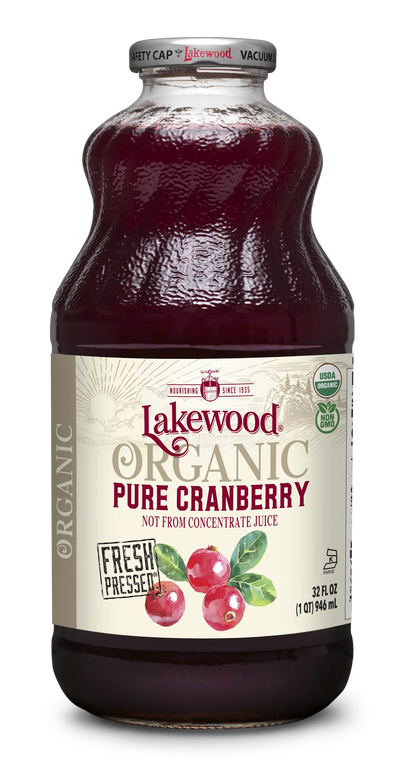
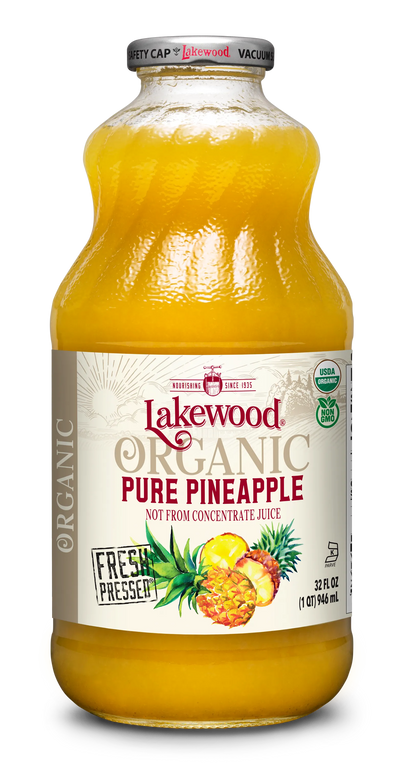
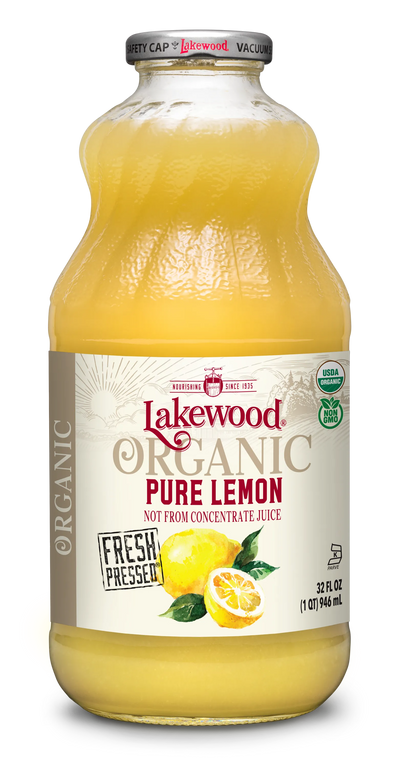
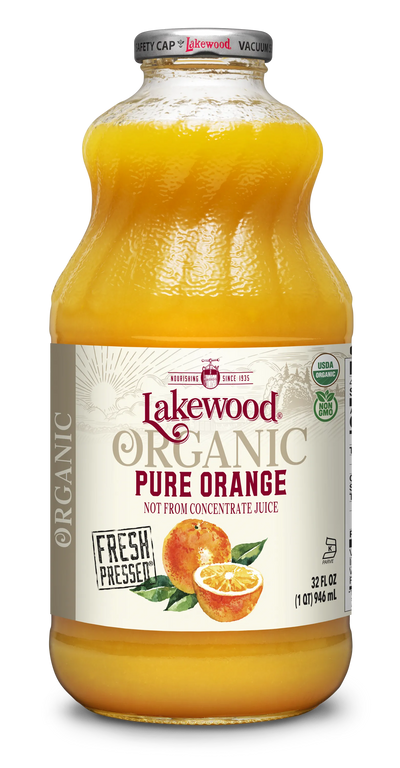
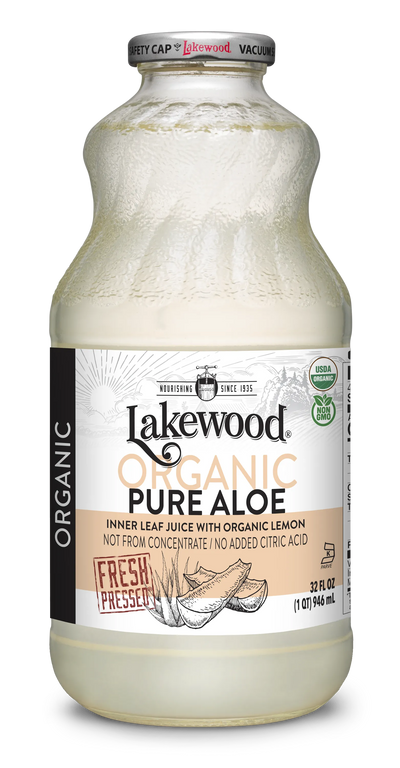
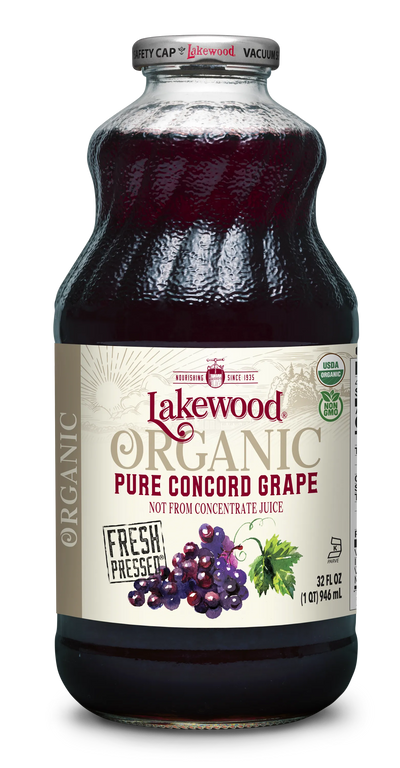
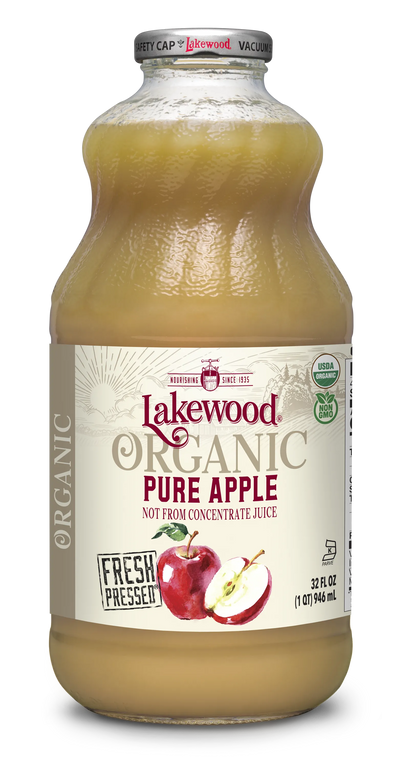
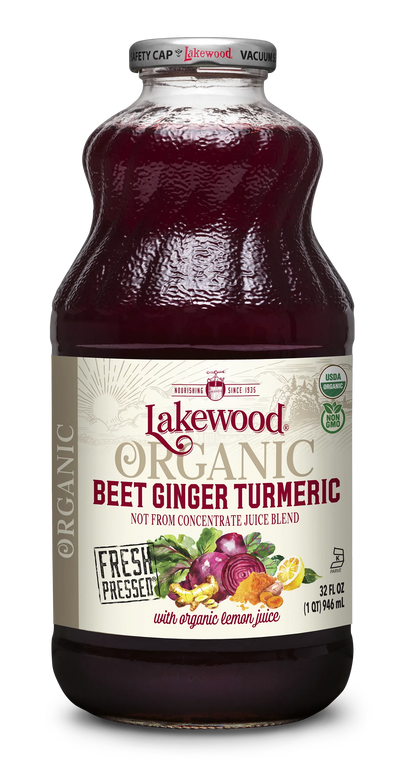
Certified organic Pure juices, vegetable juices and blends in 32oz glass.
Nurture
Organic functional juices built around digestion, immune support and women's wellness.
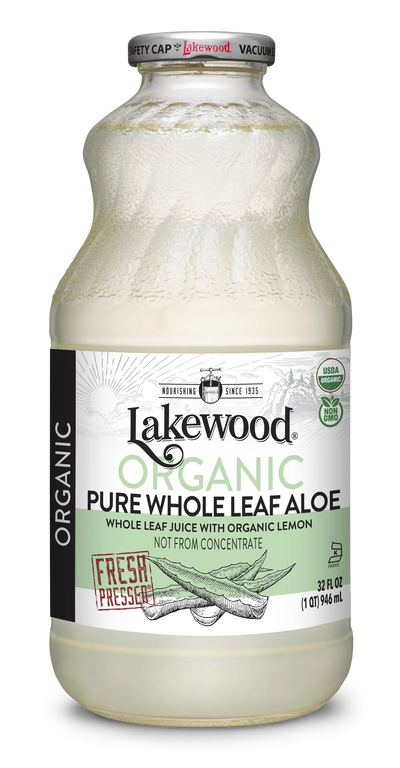
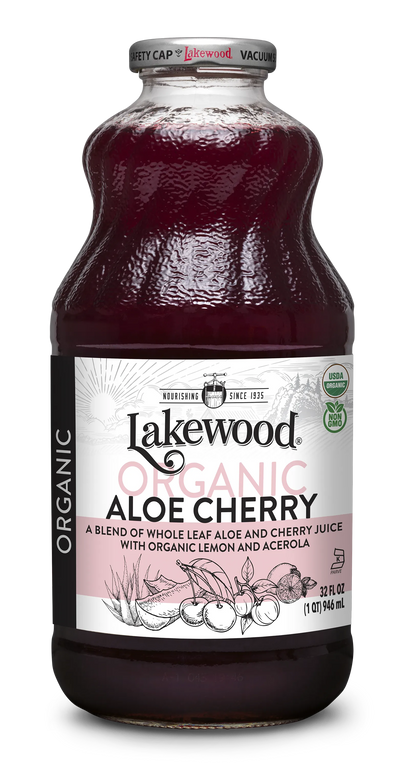
Aloe
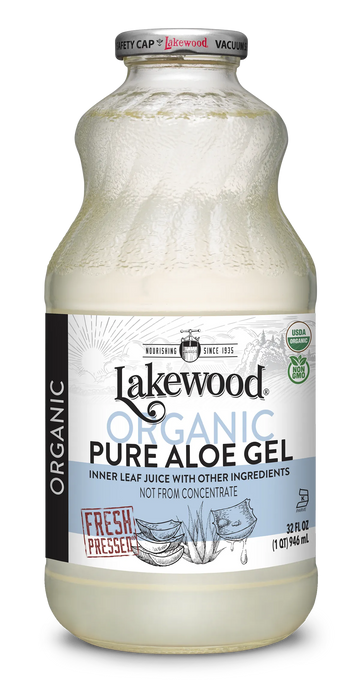
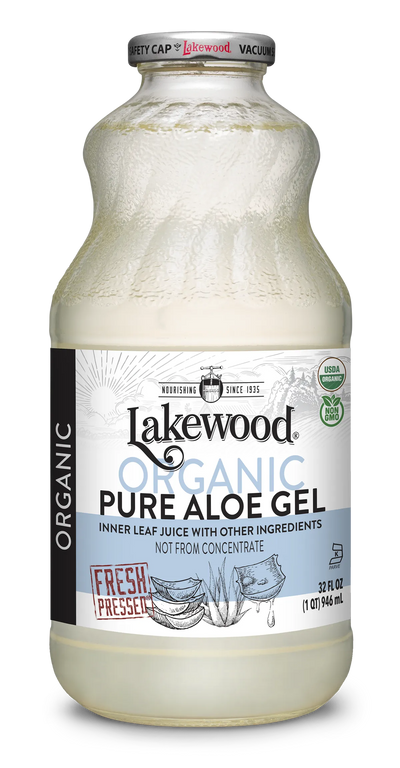
Certified organic aloe juices, including Inner Fillet, Whole Leaf and Aloe Gel.
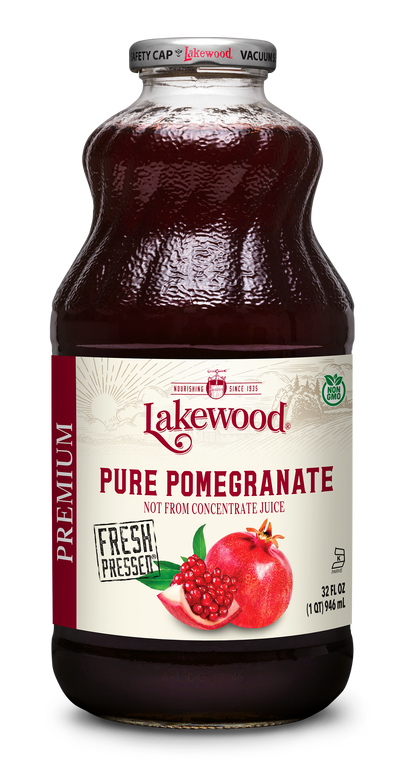
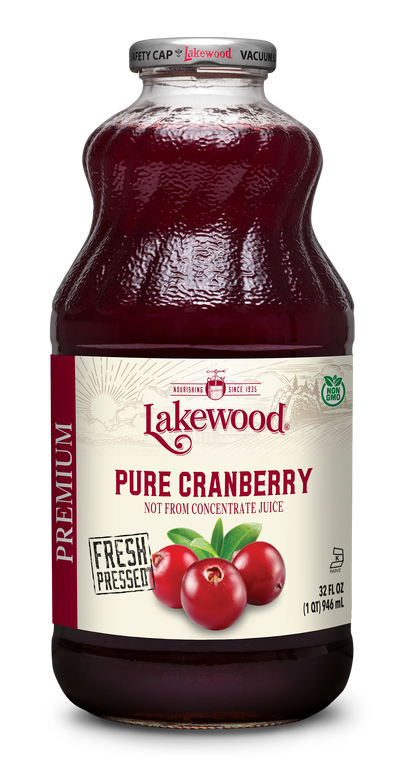
Premium
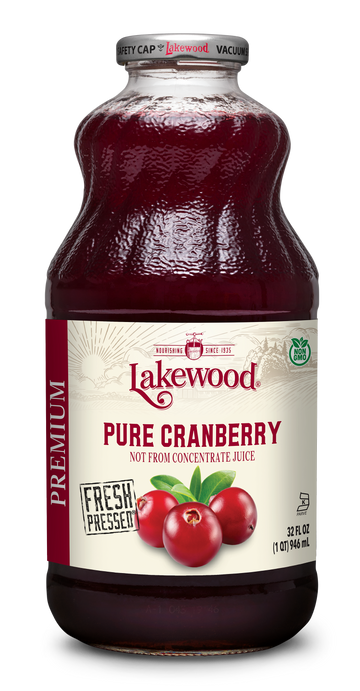
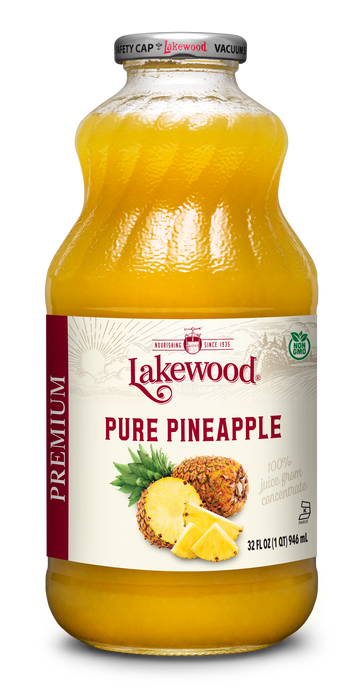
All-natural conventional juices, made without GMOs or preservatives.
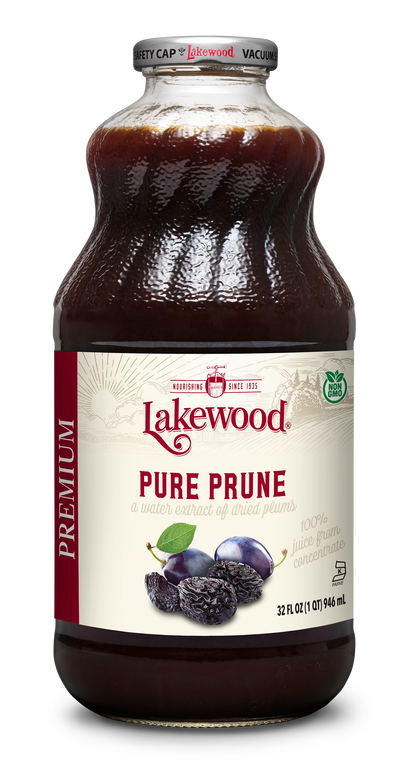
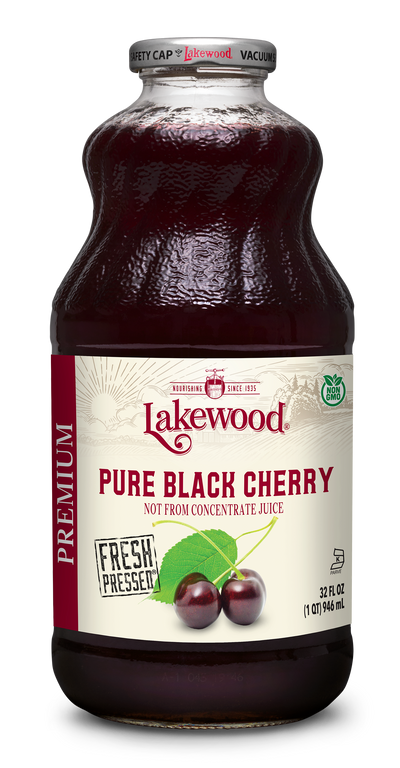
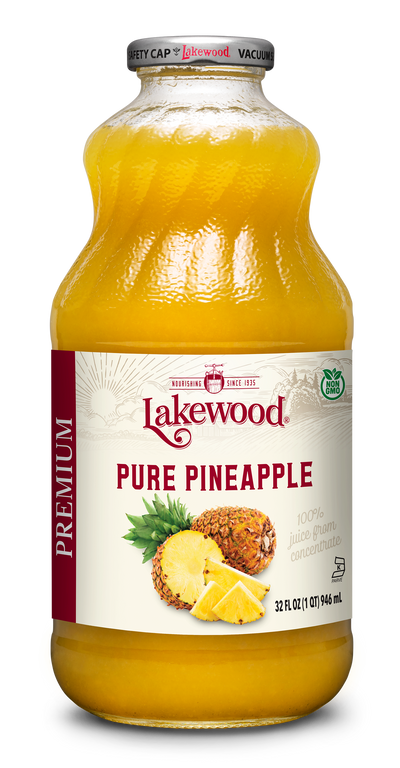
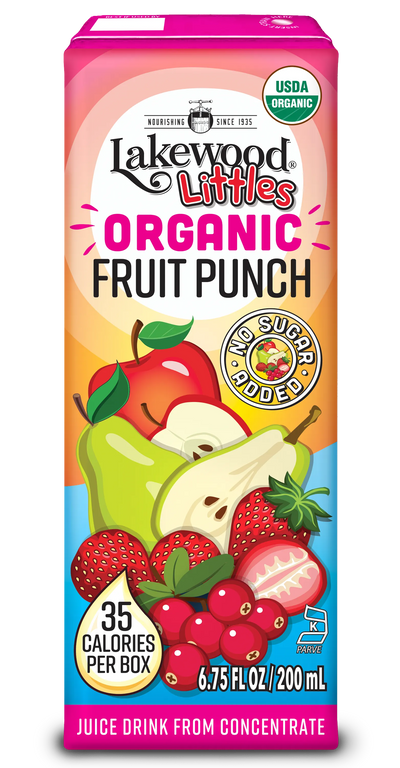
Littles
Organic juice boxes for kids in 8-packs, free from the top nine major food allergens.
Site navigation
Let shoppers start with a goal, not a fruit
Most juice navigation is organized the way a warehouse is: by flavor and size. A shopper with a reason in mind has nowhere to click.
Shop juice by what you need
Why it works: SPINS finds beverage shoppers respond to claims rather than hunting specific ingredients. A goal-first entry point matches how they already think, and it pulls the wellness shopper into the juice aisle instead of losing them to supplements.
Category page
Filters and badges that say what each juice does
The same product grid, with goal filters across the top and a claim badge on each card. Nothing here requires new photography.
 Digestion
Nurture Golden Glow
32 fl oz
Digestion
Nurture Golden Glow
32 fl oz
 Digestion
Nurture Cherry Pomegranate Bloom
32 fl oz
Digestion
Nurture Cherry Pomegranate Bloom
32 fl oz
 Immune
Nurture Berry Thunder
32 fl oz
Immune
Nurture Berry Thunder
32 fl oz
 Energy
Nurture Zesty Defense
32 fl oz
Energy
Nurture Zesty Defense
32 fl oz
Why it works: goal filters give the merchandising team a landing page for every seasonal push, and the badges carry the on-pack claim into search results, where shoppers are already filtering by diet and attribute.
Product page
The ingredient story, already written
This is the content we supply. Your team does not write any of it, and it is the same material that makes a page findable when someone asks an AI assistant what beet juice is for.

Lakewood Organic Pure Beet Juice, 32 fl oz
Add to cartAll of this supplied by Lakewood
Why it works: richer product pages hold shoppers longer and answer the question that sends them away to search. The same structured content is what AI assistants read when a customer asks which juice to buy.
In the app
The same idea, inside the app
For digestion
See all Nurture Golden Glow
 Nurture Cherry Pomegranate Bloom
 Nurture Berry Thunder
Lunchbox picks
See all Fruit Punch
 Apple
Apple
 Cherry Fusion
Shelf moments that travel
A goal-led row in the app is the same merchandising idea as a shelf tag, and it reaches the shopper who orders for pickup and never walks the aisle.
The same module works for a seasonal moment: a January digestion feature, a back-to-school lunchbox row, a cold-season immune push. Each one has products behind it on day one, with no new photography and no new copy from your team.
What we bring to it: the product content, the bottle imagery and the goal tagging behind every row shown here.
What comes with the brand
What we bring to the listing
Everything below is content and material we already produce for our own items. It comes with the brand and is ready to load.
Complete item content
Descriptions, feature bullets, attributes and search keywords for every item, in the formats most retail sites and delivery partners take.
Bottle and label imagery
Front, back and panel shots for every SKU, sized for web and for delivery partners, with no photography needed on your side.
Ingredient and benefit copy
The same material behind our own wellness pages: what each fruit is known for, key compounds, and serving suggestions, written and ready to use.
Goal and attribute tagging
Each item mapped to the goal it serves and the attributes shoppers filter on: organic, not from concentrate, no added sugar, glass, allergen friendly.
Structured for how people search now
Our item content is written and marked up to be read by search engines and AI assistants, which is increasingly where shoppers ask which juice to buy.
A set plan, not just a case list
Our recommendation on which items fit your set, how to block them, and what the shelf tags should say, based on what we see across the accounts that carry us.
What it takes from you
Less than you would think
Every mockup here is built from assets we already produce for our own site. The lift on your side is tagging and placement.
We supply
Product descriptions, feature bullets, attributes, search keywords, ingredient and benefit copy, serving suggestions, and bottle imagery, in the formats your site and delivery partners already take.
You supply
Goal tags on the items and a place to put the module. If your platform supports attribute filters today, most of this is configuration rather than development.
Where it goes next
Merchandising support and any marketing activity are worked out account by account. Nothing here assumes a program that is not already agreed.
These screens are concept mockups made by Lakewood to illustrate an approach. They use a placeholder store name and are not a representation of any retailer's site.
Building the 2027 set
What we would do with the shelf
Block the function
Group the functional items together rather than scattering them by fruit. Shoppers are looking for a goal first and a flavor second.
Keep the single fruits
Beet, tart cherry and aloe are destination items. They bring a shopper into the aisle who already knows what they want.
Use the wellness section too
A secondary placement near supplements or produce reaches the shopper who is not walking the juice aisle at all.
Let the shelf tag do the work
Since shoppers respond to on-pack claims, a tag naming the goal, like digestion or immune, lifts the whole set, not just one item.
Merchandising suggestions from Lakewood, informed by the sources below.
Getting started
How it usually goes
Tell us about your stores
Where you are, how many doors, and what your juice set looks like today. We will come back with the items that tend to fit.
Pick a starting set
Most partners start with a handful of movers and grow from there, rather than taking the whole line at once.
We hand over the content
Item content, imagery and goal tagging go to your team in the formats you use, timed to when the juice is actually on the shelf.
The whole lineup
Organic, Nurture, Aloe, Premium, Littles
Every item in glass, every organic item certified under the USDA National Organic Program.
The short version
Four things to take out of this
- Plain juice is losing ground on price while functional claims keep growing. The set has to be re-sorted either way.
- The claim on the front of the bottle is doing the selling, and shoppers paid billions for it in the soda aisle.
- Lakewood already carries four of the six fastest-growing claims, on a shelf-stable glass item that needs no cold space.
- Block the function, keep the single fruits as destination items, and let a shelf tag name the goal.
Questions
For buyers
How do we start carrying Lakewood?
Tell your Lakewood contact your location, your number of doors and a sense of your current juice set, and we will come back with the items that tend to fit.
Can we use your product content on our own site?
Yes. We supply descriptions, feature bullets, attributes, images and search keywords for every item, in the formats most retail sites and delivery partners use.
What formats does the item content come in?
Descriptions, feature bullets, attributes, search keywords and imagery, supplied in the formats most retail sites and delivery partners accept. If your team needs a specific template, we can match it.
Who writes the wellness copy?
We do. The ingredient and benefit copy, the serving suggestions and the goal tagging all come from us, reviewed before it goes out. Your team does not have to write or approve new claims.
What is the difference between Lakewood Organic and Lakewood Premium?
Lakewood Organic is certified organic under the USDA National Organic Program. Lakewood Premium is our conventional line of all-natural juices, made without GMOs or preservatives. Both are bottled in glass.
Sources
Where these numbers come from
Figures current as of October 2026. Syndicated data moves, so check before presenting.
- SPINS category data on functional beverage claim growth and the $250 billion CPG beverage market, reported in Nutraceuticals World, "Function-Forward Beverages Drive the Next Wave of CPG Growth," 2026. nutraceuticalsworld.com
- NielsenIQ commentary on juice category traction and promotional support, and Keychain commentary on clean-label attributes outpacing the category, in Beverage Industry, "Juice, juice drinks market welcomes functional trends" and "2026 State of the Beverage Industry: Juice market finds new footing with consumers." bevindustry.com
- SPINS, "2026 Trend Predictions," on functional ingredients moving from niche to mainstream and on sugar reduction shaping category performance. spins.com
- PepsiCo's agreement to acquire Poppi for $1.95 billion, Beverage Digest and Just Drinks, March 2025. beverage-digest.com
- Olipop's $1.85 billion valuation, $400 million-plus annual sales and 2024 profitability, NBC News, February 2025. nbcnews.com
- Mordor Intelligence, Functional Beverage Market, projecting a 7.93% CAGR from 2026 to 2031. Other firms publish lower figures, so treat the range as a range. mordorintelligence.com